
Professional Manufacturer of Power Chuck & Collet Chuck & Hydraulic Cylinder & High Precision Jaws
Blog
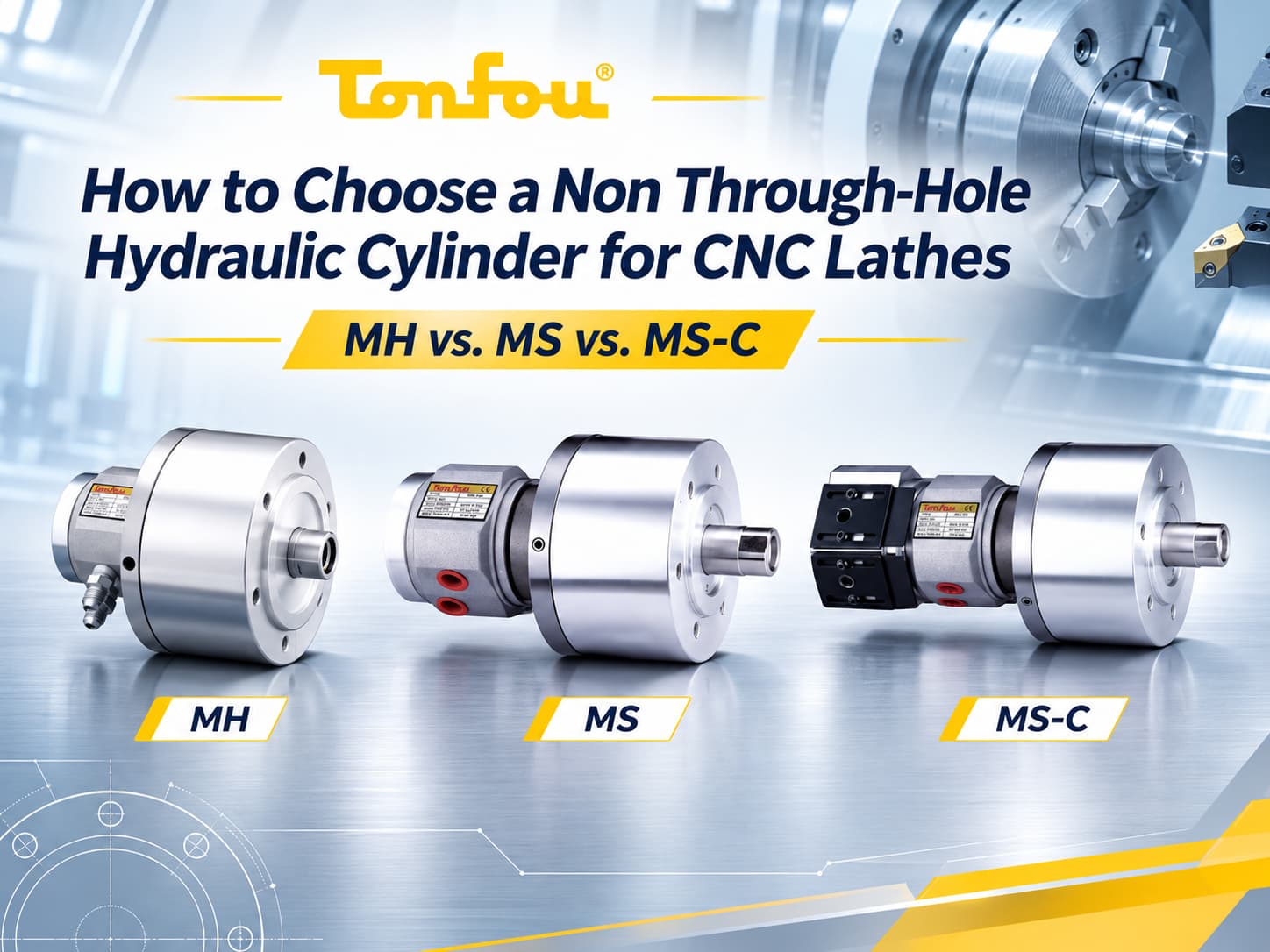
How to Choose a Non Through-Hole Hydraulic Cylinder for CNC Lathes: MH vs. MS vs. MS-C
Choosing the right non through-hole hydraulic cylinder is essential for CNC lathe performance, clamping stability, and machine compatibility. This guide compares TON FOU's MH, MS, and MS-C rotary hydraulic cylinder series, highlighting their differences in lightweight design, built-in check valves, and detection features. Learn how to evaluate piston stroke, draw bar pull force, spindle speed, and power chuck compatibility to select the right hydraulic cylinder for your machining requirements.
Read More →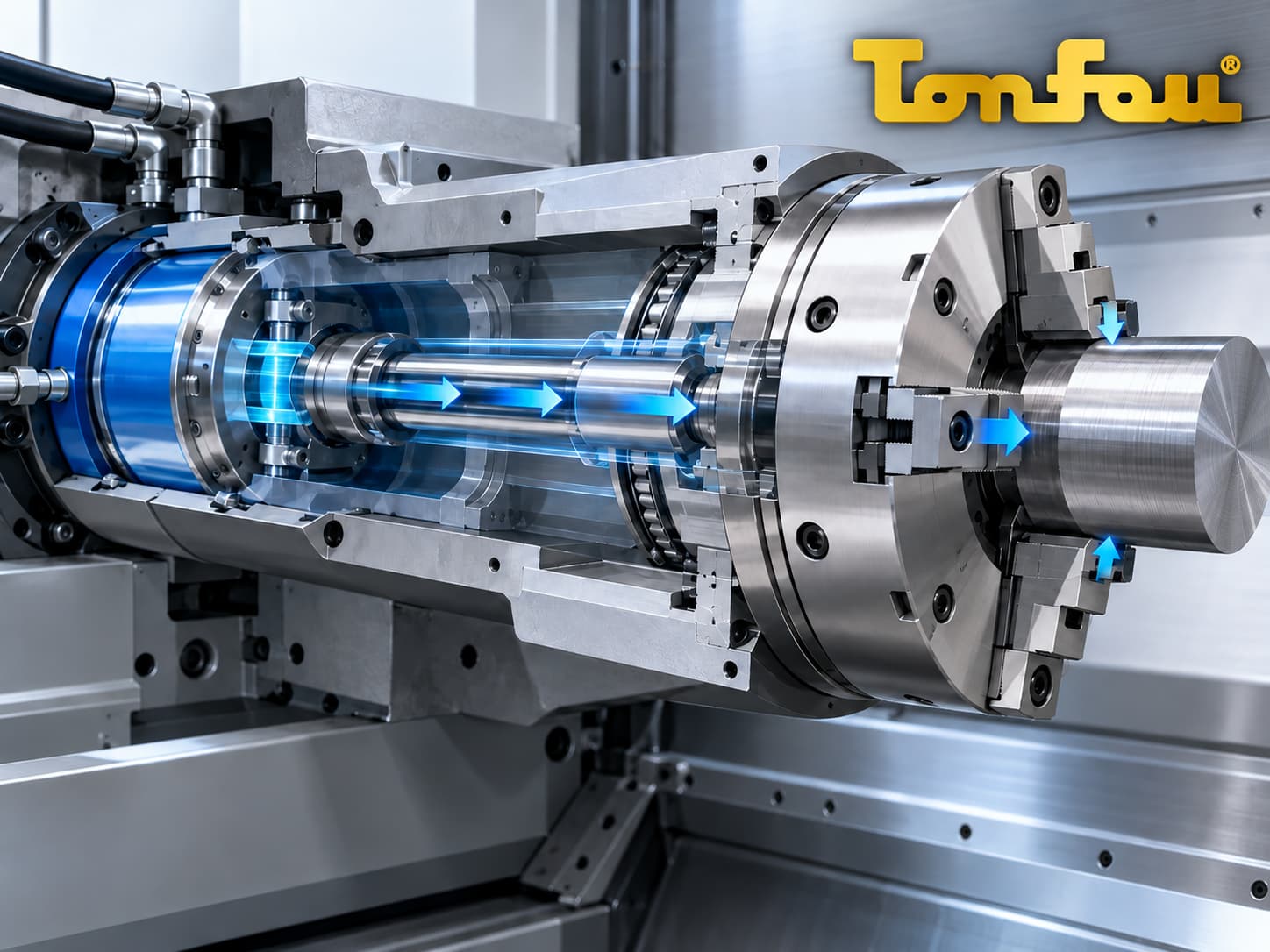
How to Check Whether Your Hydraulic Chuck, Draw Tube, and Rotary Cylinder Are Properly Matched
If your CNC lathe has unstable clamping force, insufficient jaw stroke, repeated runout, vibration, or workpiece slipping during machining, the issue may not come from the chuck alone. In many cases, the problem is caused by an unmatched hydraulic chuck, draw tube, and rotary hydraulic cylinder. This article explains how a hydraulic chuck system works, what buyers should check before selection, and how proper component matching helps improve CNC lathe clamping stability and production efficiency.
Read More →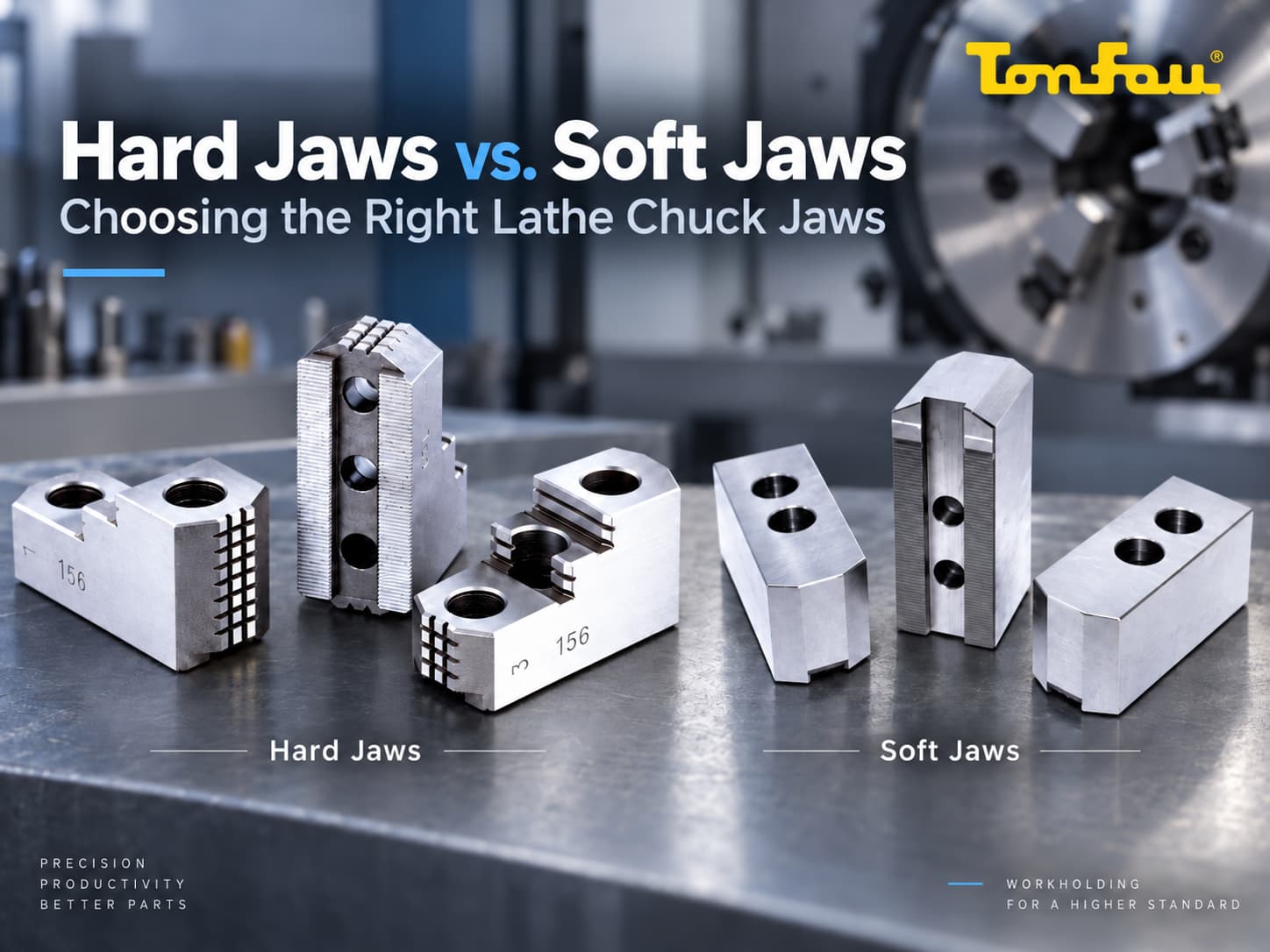
How to Choose Lathe Chuck Jaws Without Causing Runout, Deformation, or Surface Marks
Lathe chuck jaws may look like small accessories, but they can directly affect CNC turning accuracy, surface quality, and production stability. This article explains how to choose between hard jaws and soft jaws based on machining stage, workpiece condition, clamping requirements, and common problems such as runout, deformation, and surface marks.
Read More →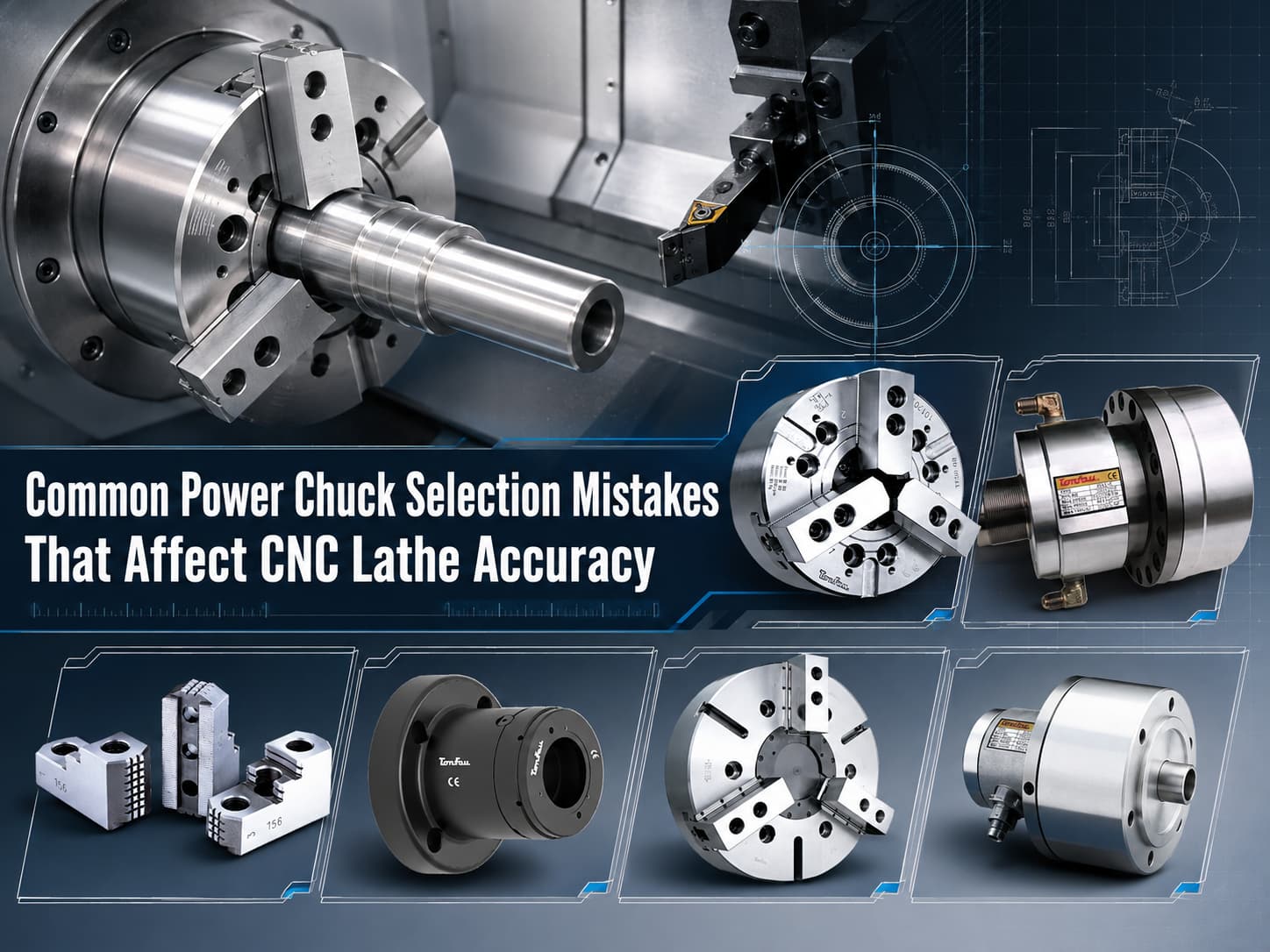
Common Power Chuck Selection Mistakes That Affect CNC Lathe Accuracy
In CNC turning, machining accuracy depends not only on the machine tool, cutting tool, and program. The workholding system also plays a critical role. A power chuck that does not match the workpiece or machining conditions can lead to vibration, runout, poor surface finish, dimensional errors, and unstable production quality.
Read More →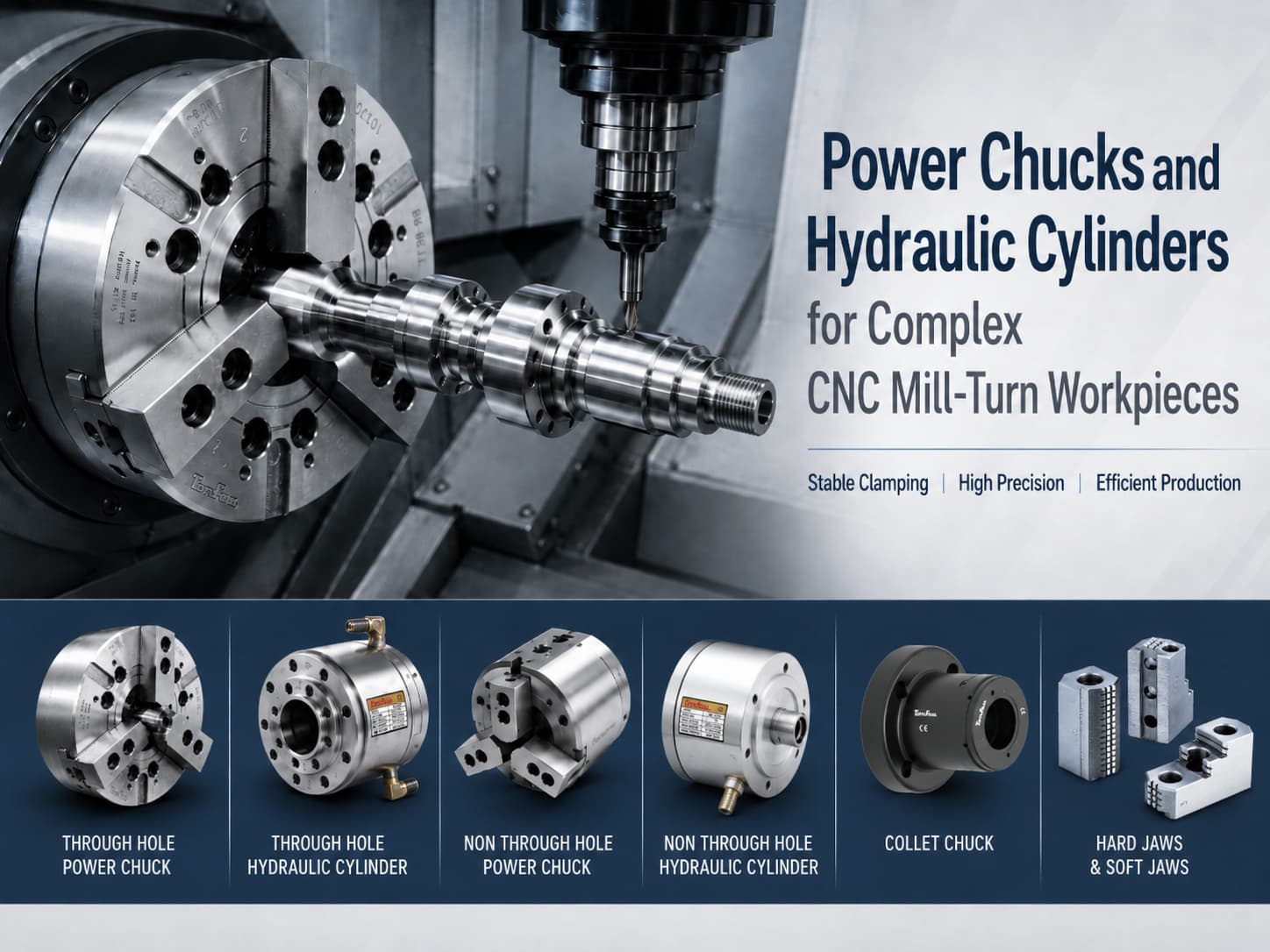
Power Chucks and Hydraulic Cylinders for Complex CNC Mill-Turn Workpieces
CNC mill-turn machines are designed to reduce setup time and improve machining efficiency. But to fully benefit from this equipment, the workpiece must remain stable throughout every operation. A complex part may experience different cutting forces when the machine switches from turning to milling, drilling, or tapping. Each process may apply force from a different direction.
Read More →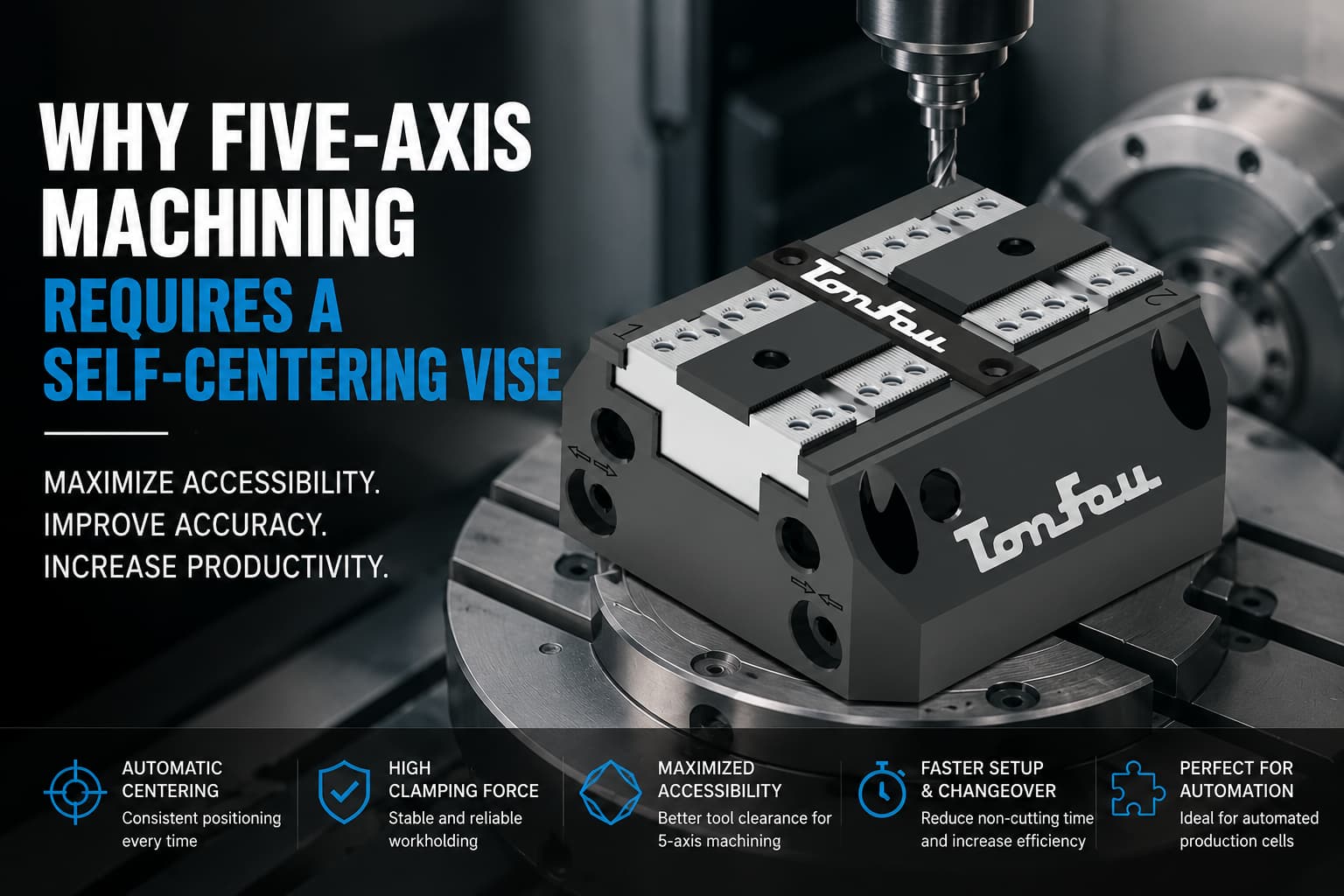
Why Five-Axis Machining Requires a Self-Centering Vise
Why Five-Axis Machining Requires a Self-Centering Vise
Read More →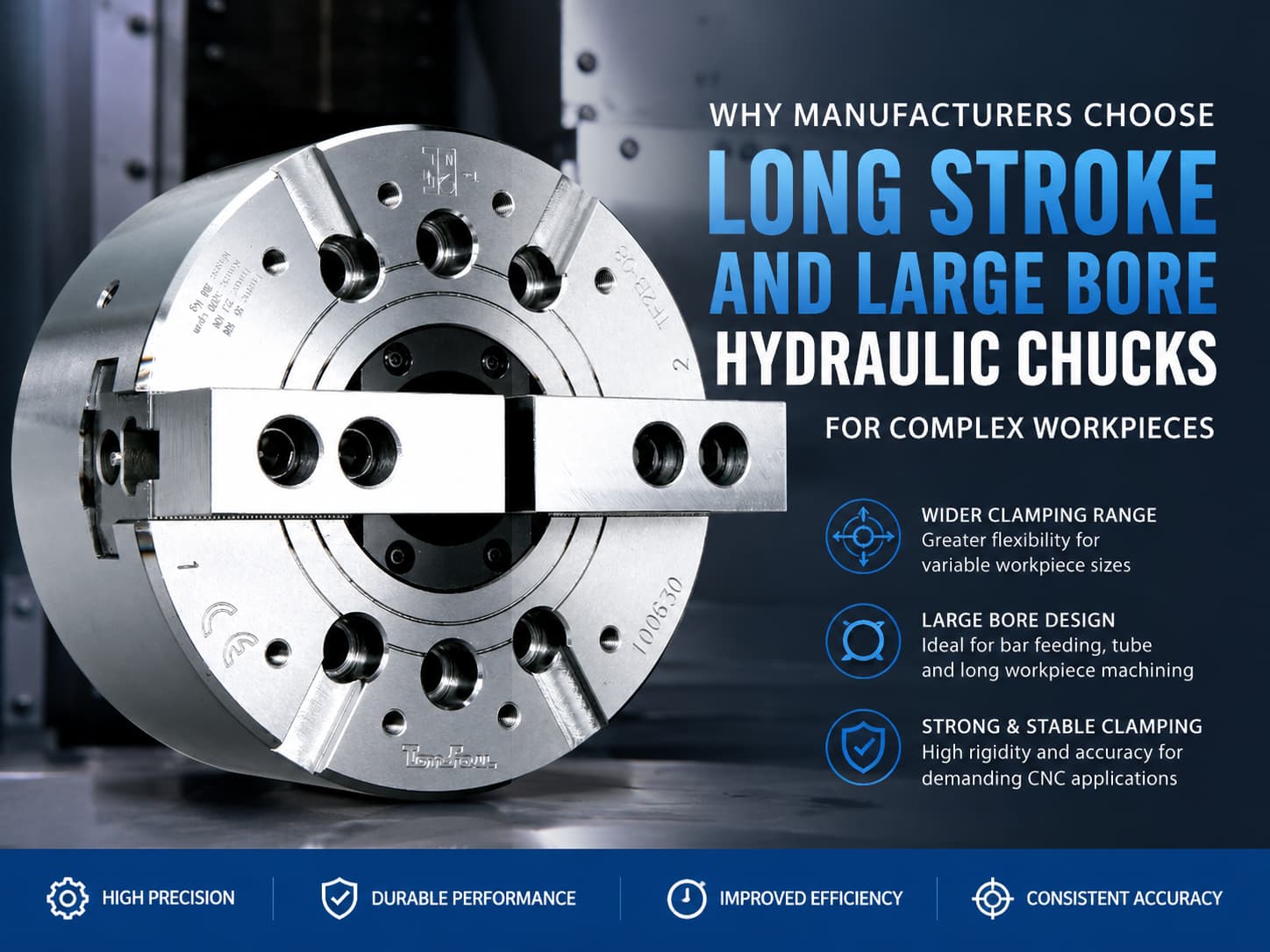
Why Manufacturers Choose Long Stroke and Large Bore Hydraulic Chucks for Complex Workpieces
As CNC machining applications continue evolving, manufacturers are facing increasingly complex workpiece designs, wider material size ranges, and growing demands for automation and machining stability. Traditional workholding systems may struggle to provide the flexibility and gripping performance required for these modern production environments.
Read More →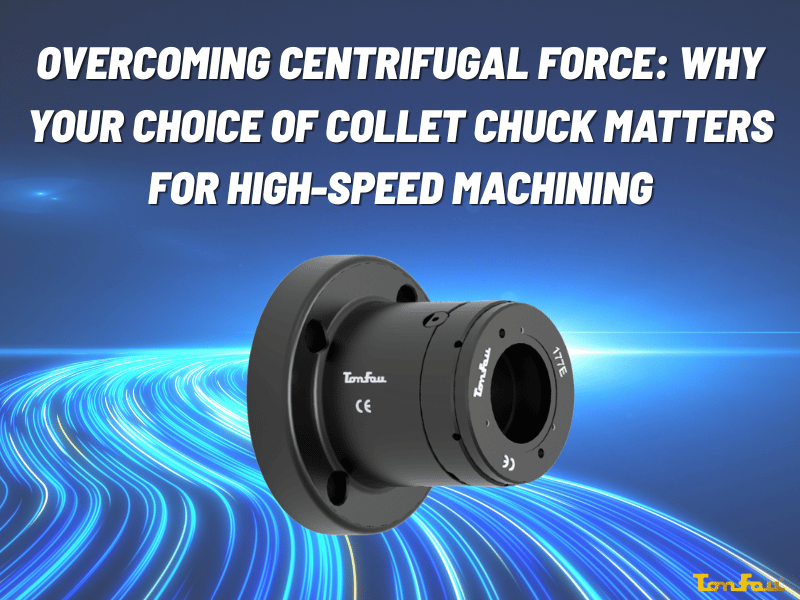
Overcoming Centrifugal Force: Why Your Choice of Collet Chuck Matters for High-Speed Machining
At high RPM, even a small reduction in effective clamping force can lead to part slippage, vibration, poor surface finish, or catastrophic machining failure. While many machinists understand that collet chucks are generally better suited for high-speed turning, fewer realize that not all collet chucks perform equally under centrifugal load.
Read More →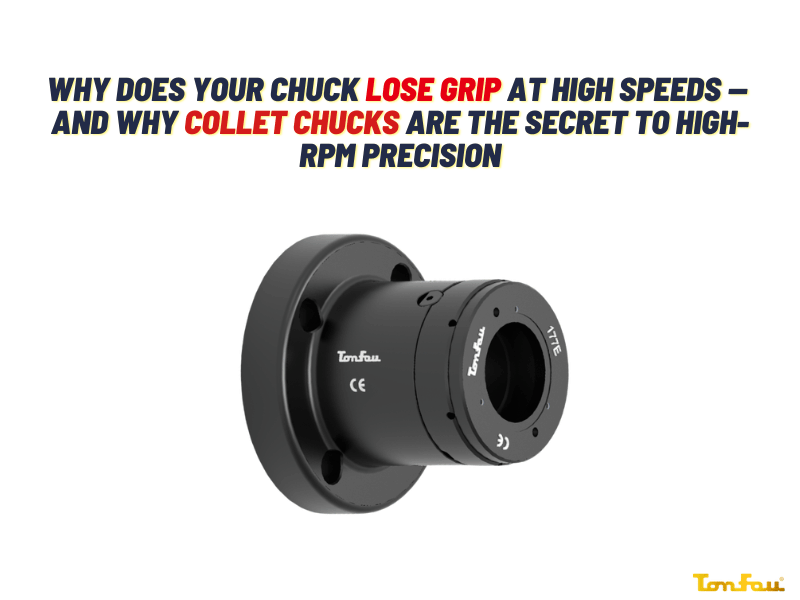
Why Does Your Chuck Lose Grip at High Speeds — and Why Collet Chucks Are the Secret to High-RPM Precision
If you’ve experienced part slippage, increased vibration, or inconsistent surface finish at higher spindle speeds, the root cause often lies in physics—specifically, centrifugal force.
Read More →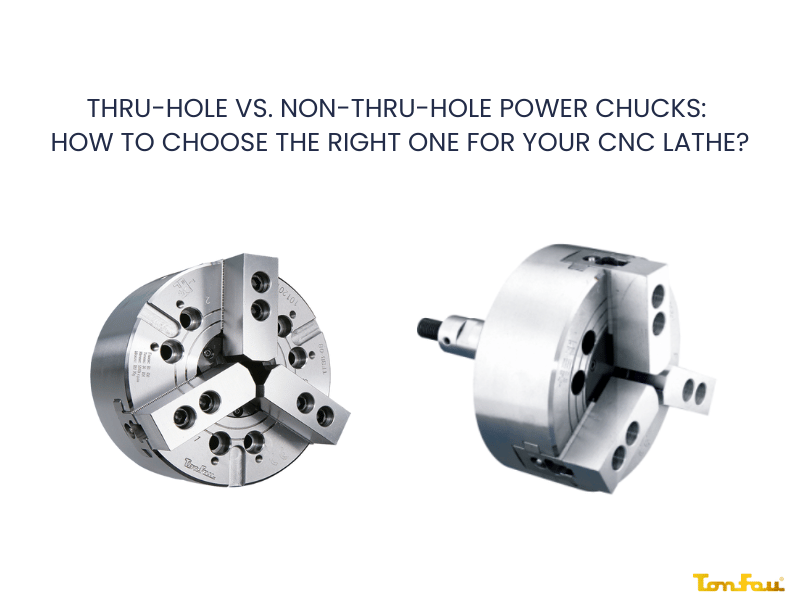
Thru-Hole vs. Non-Thru-Hole Power Chucks: How to Choose the Right One for Your CNC Lathe?
Selecting the right power chuck is one of the most critical decisions in setting up a CNC lathe. It is the direct interface between your machine and your workpiece, determining not only the safety of the operation but also the precision and efficiency of your production line.
Read More →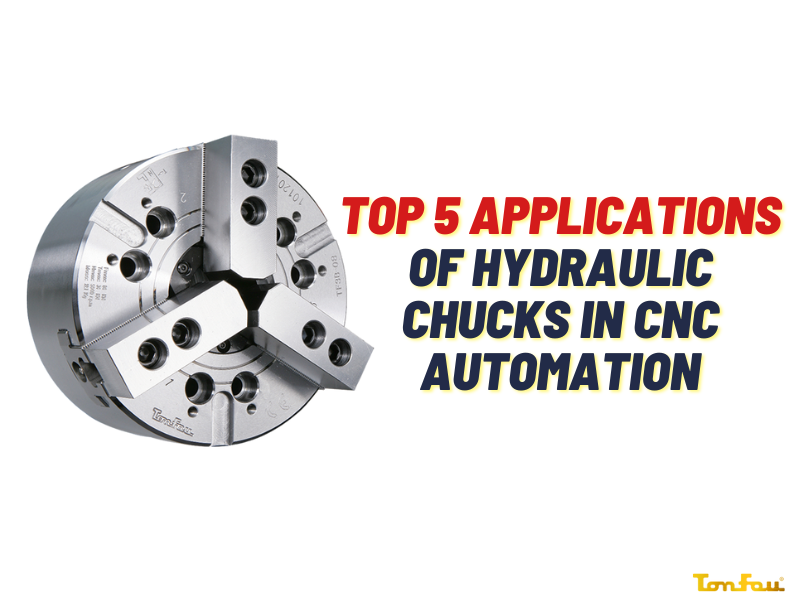
Top 5 Applications of Hydraulic Chucks in CNC Automation
This month, we delve into the Top 5 Applications of Hydraulic Chucks in CNC Automation, analyzing how these robust systems solve complex production challenges in high-output environments.
Read More →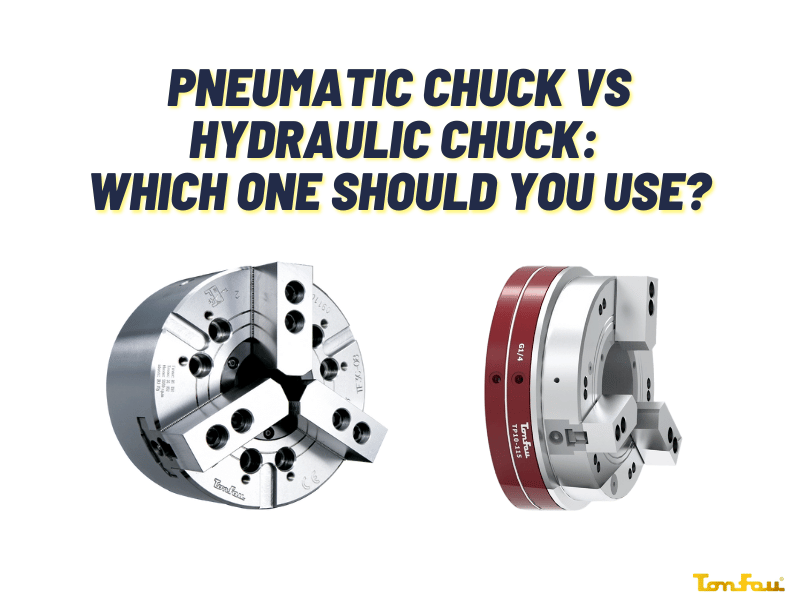
Pneumatic Chuck vs Hydraulic Chuck: Which One Should You Use?
In high‑precision CNC turning and machining, the chuck is the critical connection between the spindle and the workpiece. Its performance directly impacts clamping reliability, machining accuracy, cycle time, and operator safety. Among the most common types of power chucks are pneumatic chucks and hydraulic chucks. The right choice depends on your application requirements—especially for manufacturers, machine builders, and automation integrators.
Read More →
What Is a Pneumatic Chuck? A Complete Guide with Real-World Application
In the world of CNC machining and automated turning operations, clamping performance directly impacts precision, efficiency, and safety. One solution gaining increasing attention in high-speed, automated environments is the pneumatic chuck. But what exactly is it, how does it work, and where is it best used?
Read More →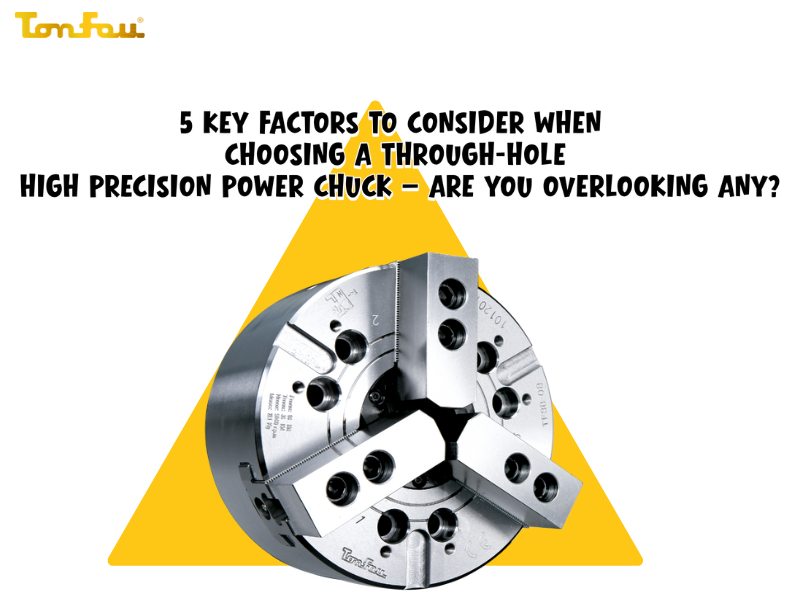
5 Key Factors to Consider When Choosing a Through-Hole High Precision Power Chuck – Are You Overlooking Any?
In CNC turning and lathe operations, a through-hole high precision power chuck is essential for securely holding workpieces—especially long shafts, pipes, or bar stock that require uninterrupted axial support. However, not all power chucks are created equal. Choosing the wrong one can result in machining errors, reduced efficiency, or even dangerous slippage. Before selecting a power chuck for your lathe or automation setup, consider these five critical factors to ensure optimal performance, durability, and precision.
Read More →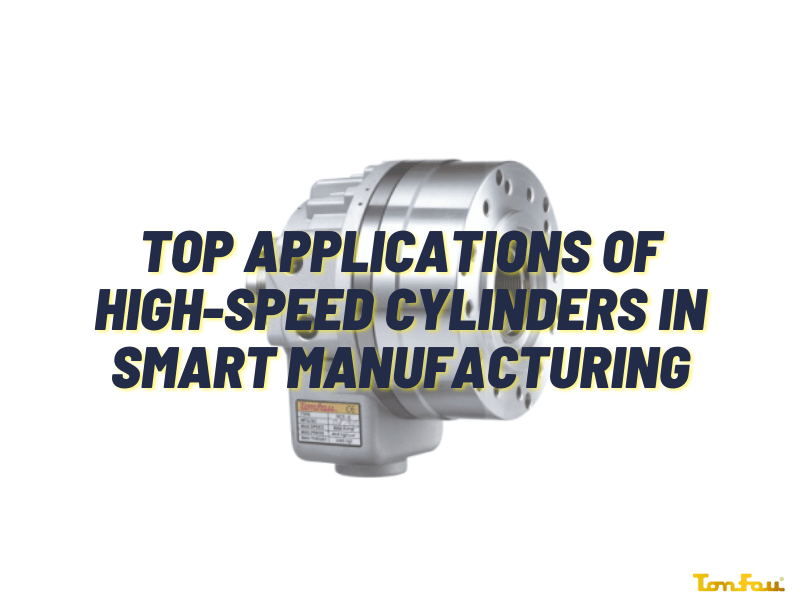
Top Applications of High-Speed Cylinders in Smart Manufacturing
In today’s rapidly advancing manufacturing world, high-speed hydraulic cylinders play a vital role in delivering the powerful, precise, and repeatable motion required in automated processes. Unlike pneumatic actuators, hydraulic cylinders provide significantly greater force and are ideal for heavy-duty and high-speed operations in smart factories. In this article, we’ll explore how high-speed hydraulic cylinders are used across different sectors of smart manufacturing and what makes them indispensable in modern production systems.
Read More →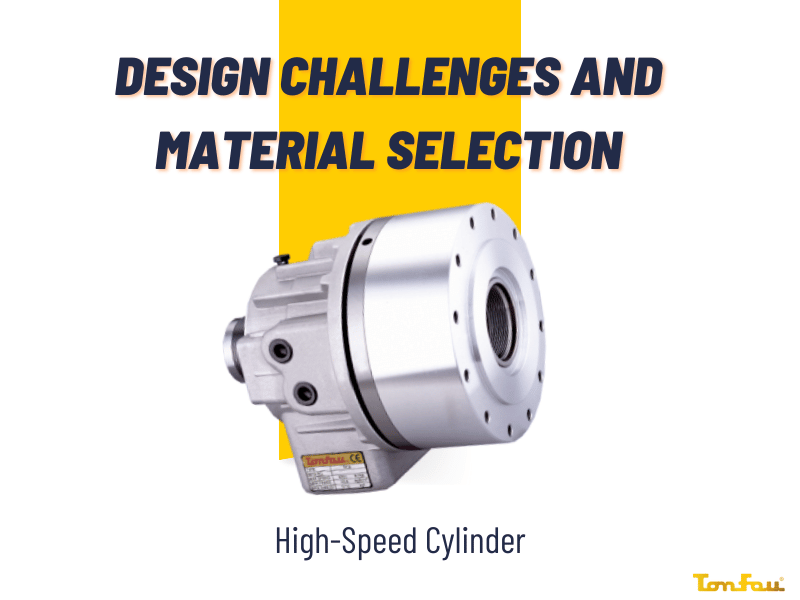
Unpacking High-Speed Cylinder Design Challenges and Material Selection: Balancing Performance with Durability
In the world of industrial automation, high-speed cylinders play a vital role in systems where speed, precision, and reliability are non-negotiable. From robotics to packaging and semiconductor equipment, these components are engineered to perform thousands of strokes per minute while enduring demanding workloads. But designing a high-speed cylinder isn’t just about speed—it’s about finding the perfect balance between performance and durability.
Read More →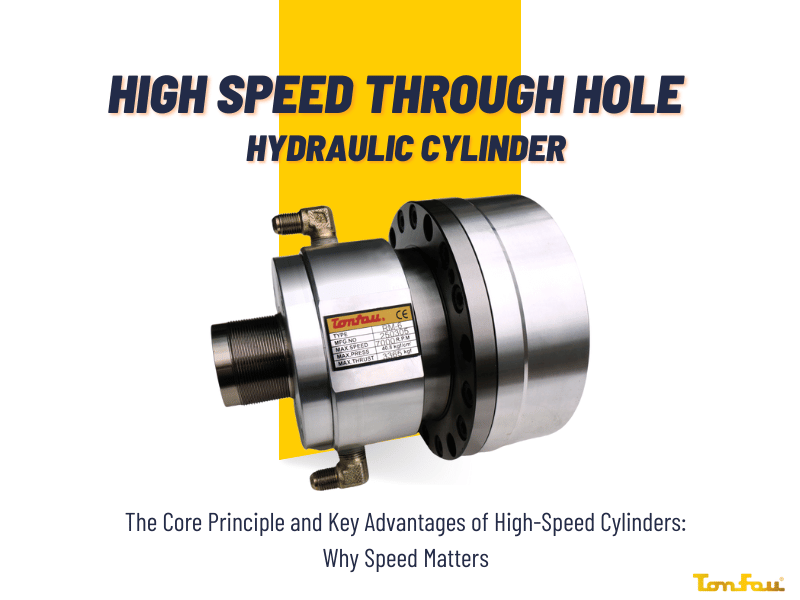
The Core Principle and Key Advantages of High-Speed Cylinders: Why Speed Matters
In today's fast-paced industrial landscape, every millisecond counts. This is especially true in automation, where the speed of motion directly impacts productivity, precision, and ultimately, profitability. At the heart of many high-performance automated systems lies the high-speed cylinder. But what exactly makes these components so crucial, and why does their speed matter so much?
Read More →