パワーチャック、コレットチャック、油圧シリンダー、高精度ジョーの専門メーカー
応用分野
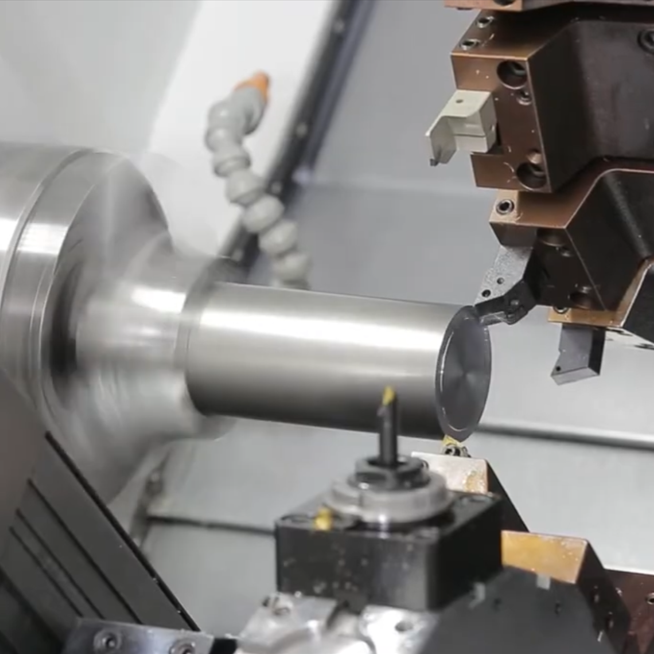
CNCターニング旋盤
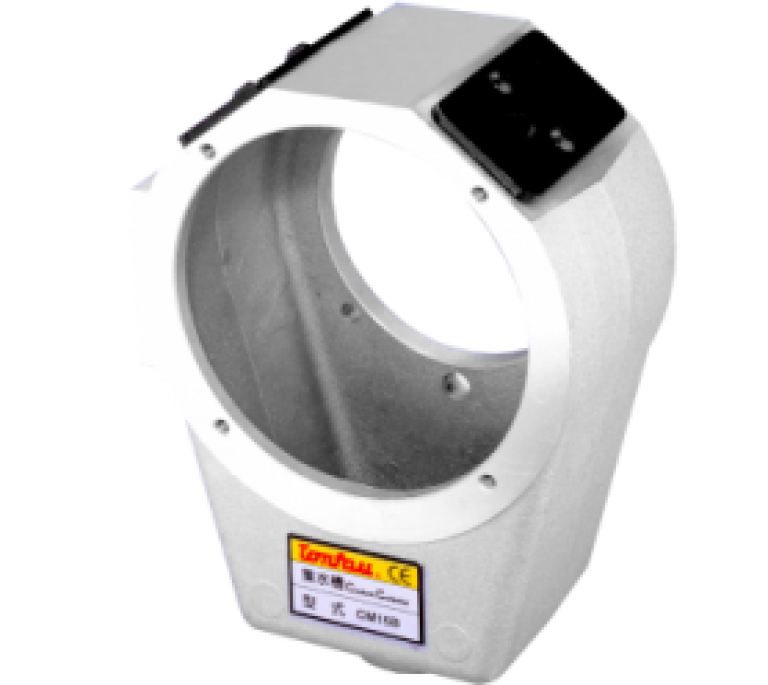
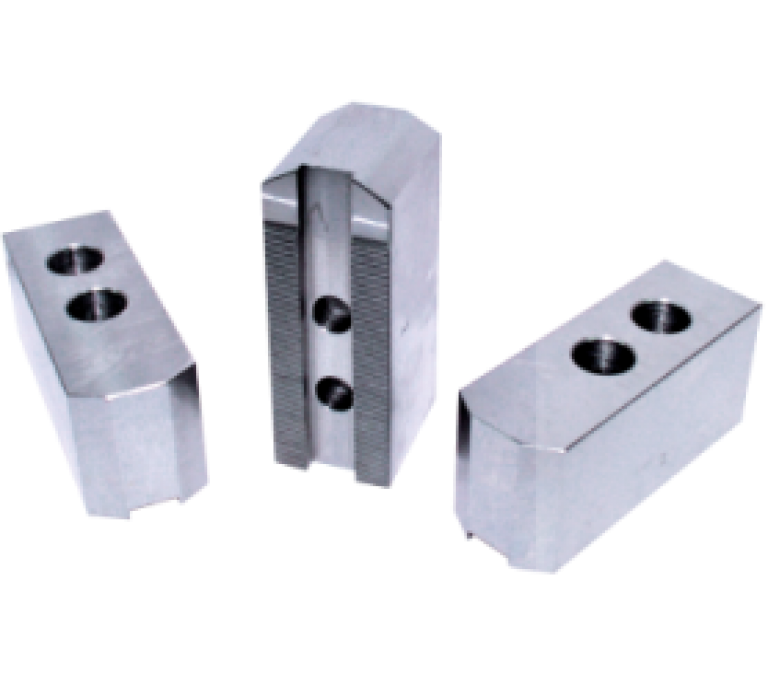
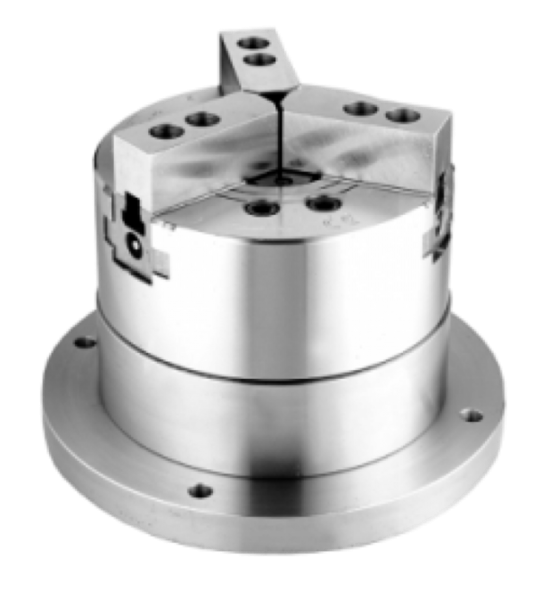
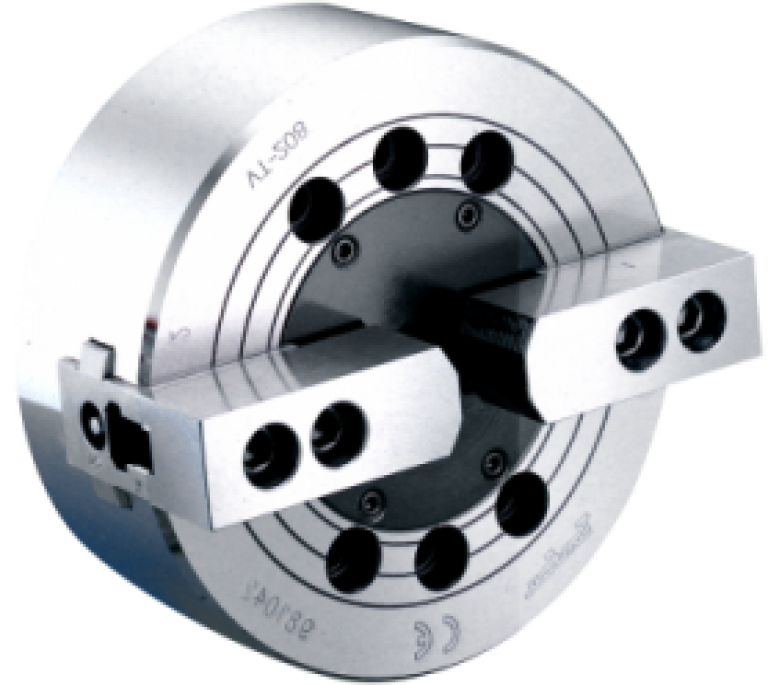
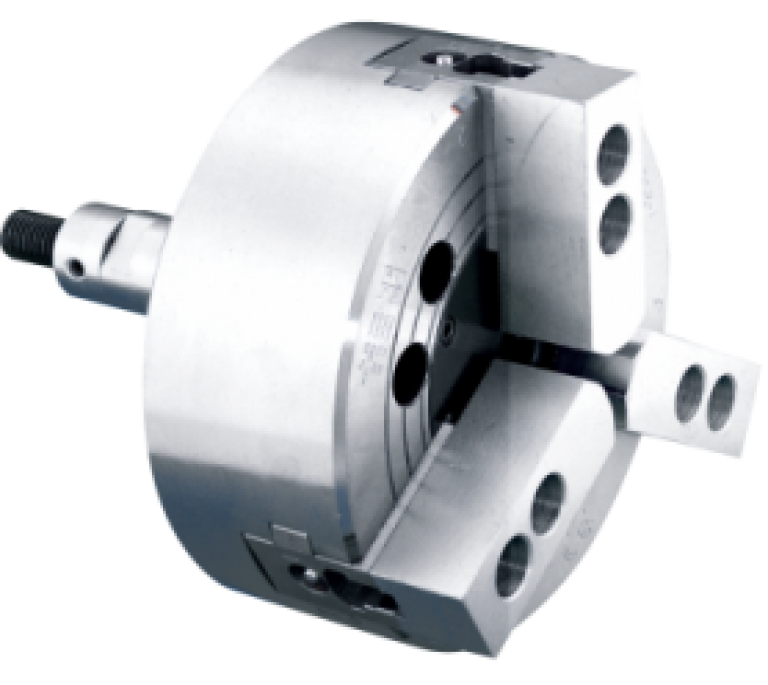
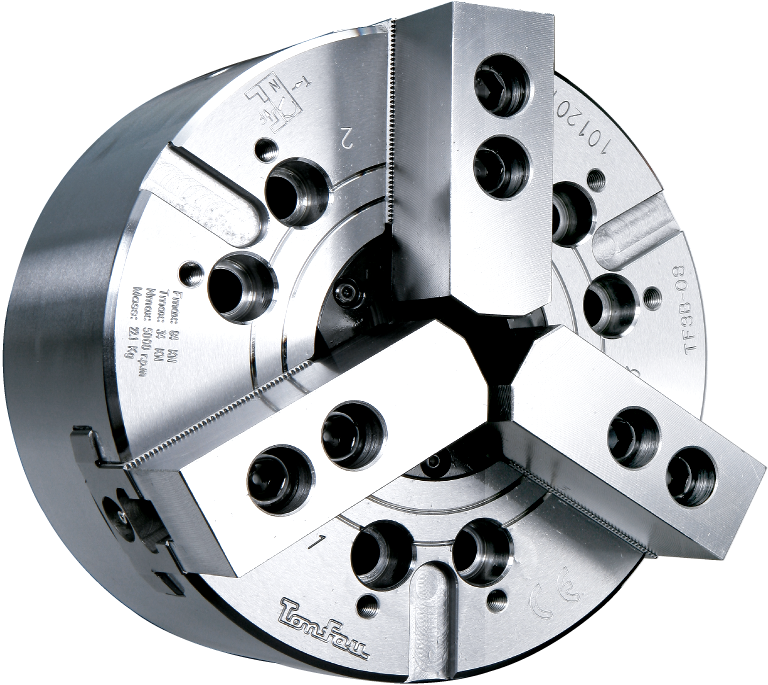
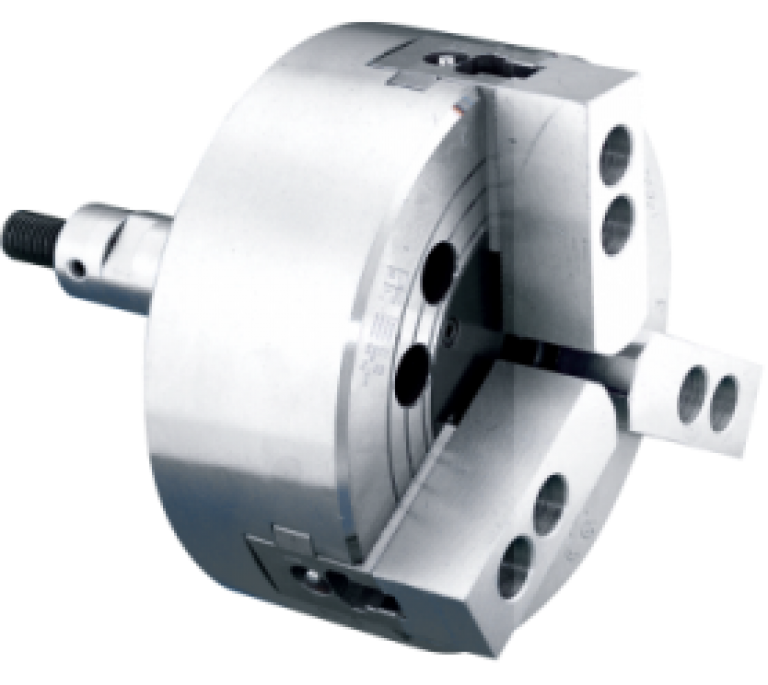
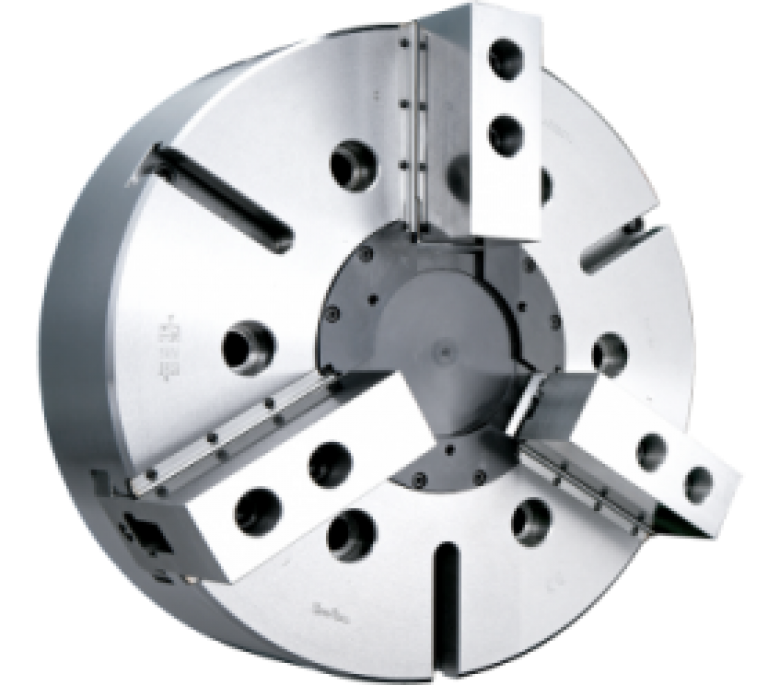
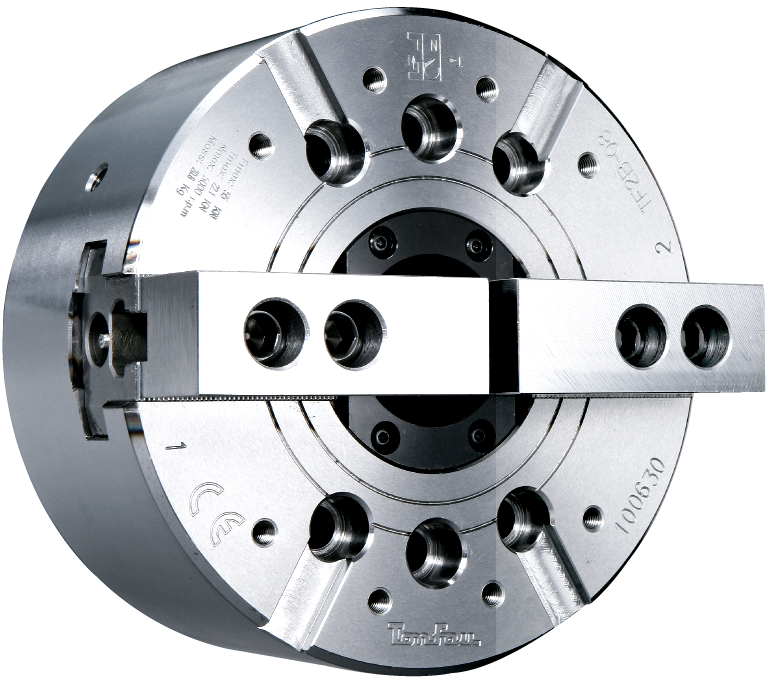
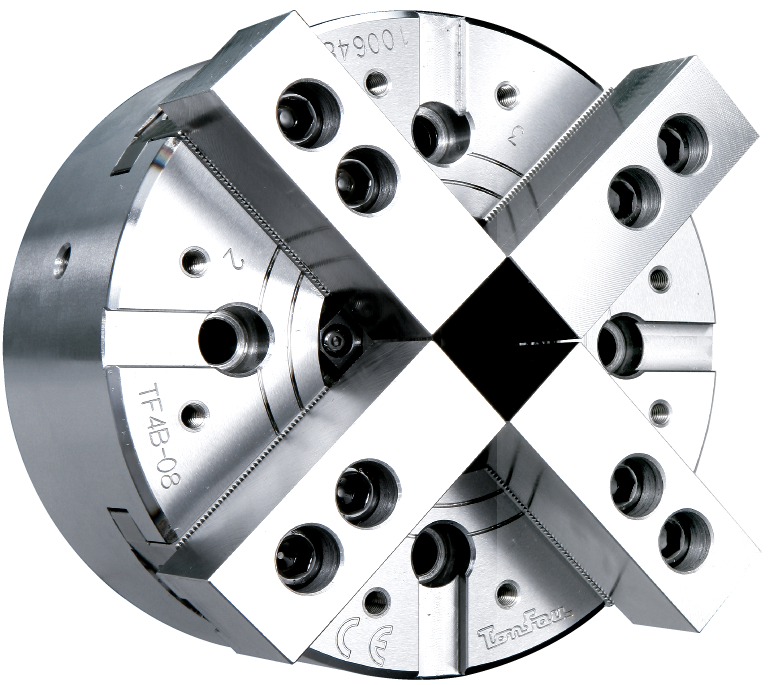
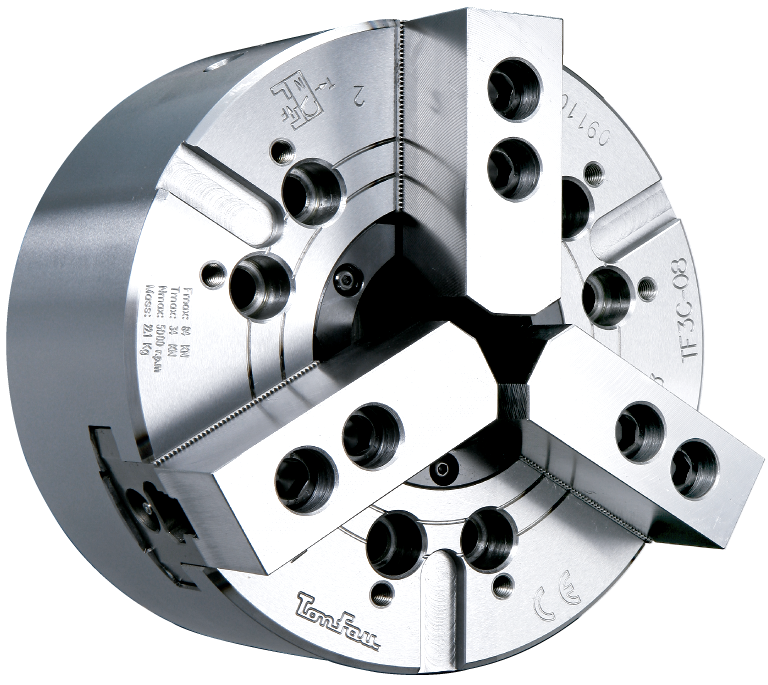
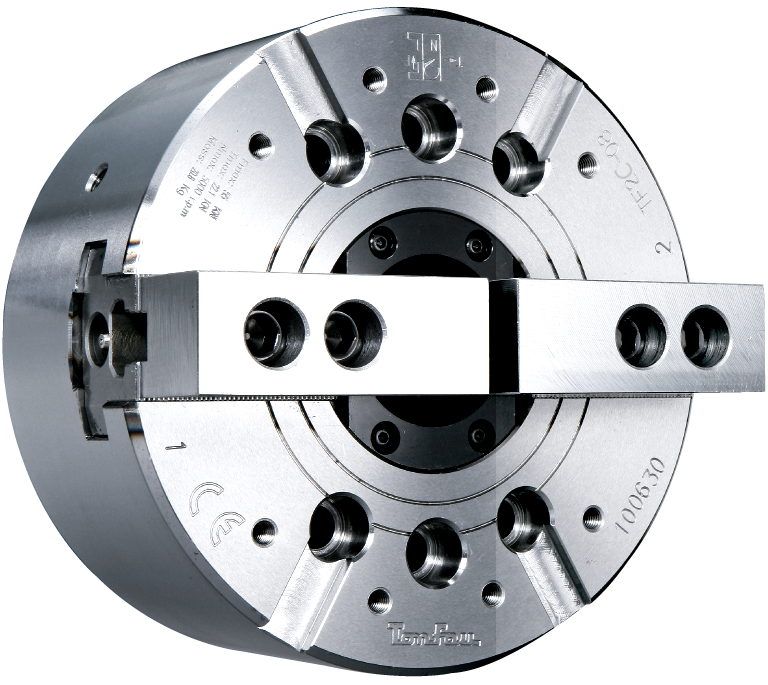
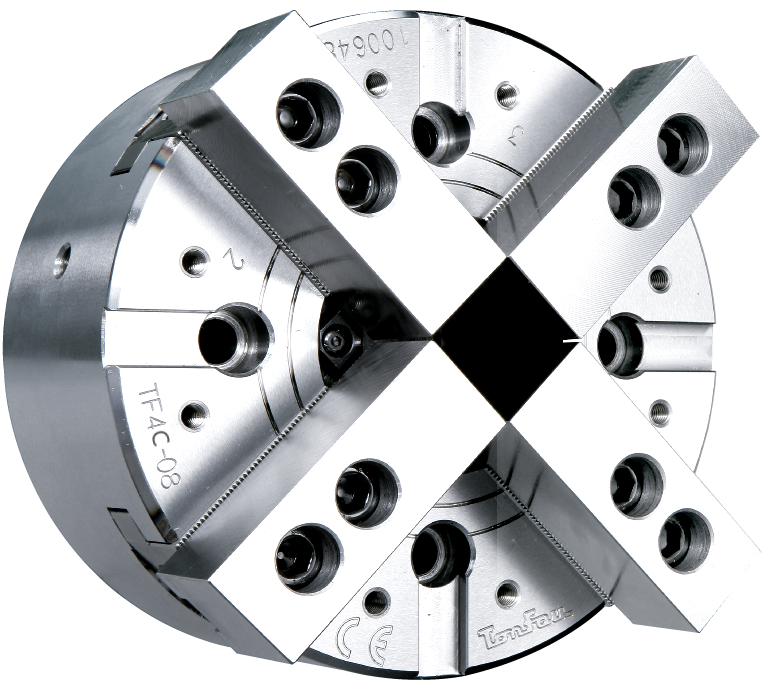
CNC lathe (Computer Numerical Control Lathe) is a high-precision machine tool that offers significant advantages in automation, high precision, repeatability, and stable efficiency, making them ideal for mass production and the manufacturing of complex components.CNC lathe is capable of performing a wide range of operations including internal and external turning, face, grooving, drilling, and tapping. Some high-end models also integrate milling functions, creating multi-tasking milling-turning machines. Based on structural differences, CNC lathes can be categorized into flat-bed, slant-bed, dual-spindle, and milling-turning hybrid types. They are widely used in industries such as automotive, aerospace, medical devices, and electronic components. The clamping precision of a power chuck directly affects the machining quality and safety of a CNC lathe. Poor clamping can lead to workpiece vibration or eccentricity, which in turn compromises cutting accuracy. Therefore, TON FOU places great emphasis on the quality of its hydraulic chucks and cylinders. Every product undergoes 100% inspection to ensure top quality, reduce workpiece loading and unloading time, and enhance overall machining efficiency.
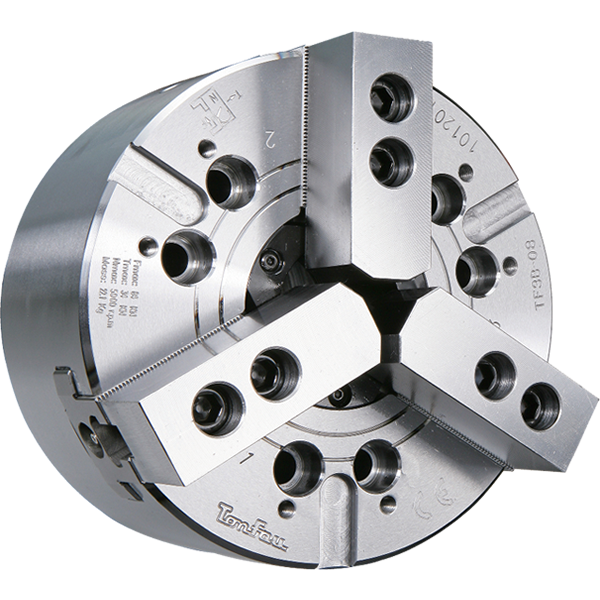
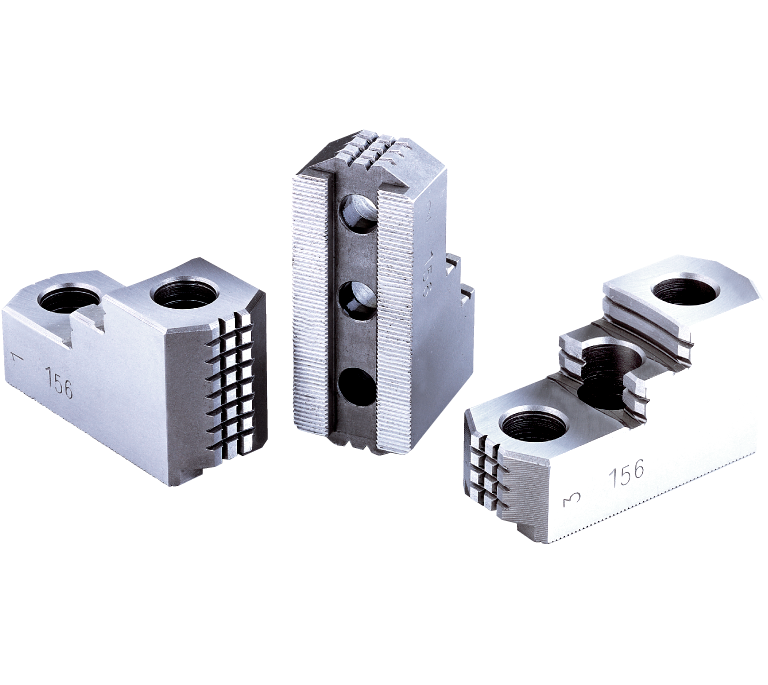
スイス型/タレット型複合加工機
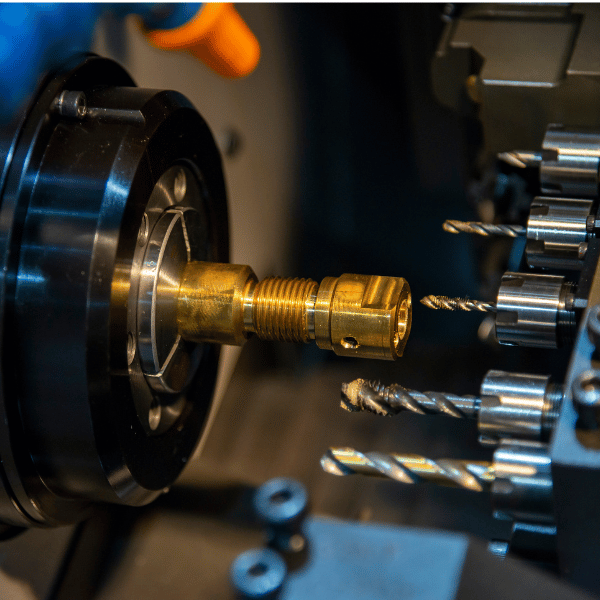
Swiss-type and fixed headstock hybrid CNC lathe, also known as a hybrid CNC lathe or dual-mode Swiss/Fixed head lathe, combines the machining advantages of both Swiss-type (sliding headstock) and fixed headstock (turret-type) systems. This type of machine switches modes based on part requirements, offering enhanced flexibility and a wider machining range. In Swiss-type mode, the cutting tool remains stationary while the bar material is clamped in a guide bushing and moved back and forth by the main spindle. Gang tools are set near the guide bushing and perform cutting operations while the material feeds automatically. This mode is ideal for producing long and slender parts. In fixed headstock (turret) mode, the workpiece remains stationary while the turret moves to perform machining operations. This is better suited for larger diameter or shorter parts and is commonly used for single-part production. The Swiss + Fixed Head Hybrid CNC Lathe is a versatile solution for modern precision machining, particularly beneficial in production environments that demand broad machining capabilities and frequent process adaptability. The dual-mode design boosts productivity, minimizes material waste, and ensures both high precision and rigidity in machining.
多軸複合加工機
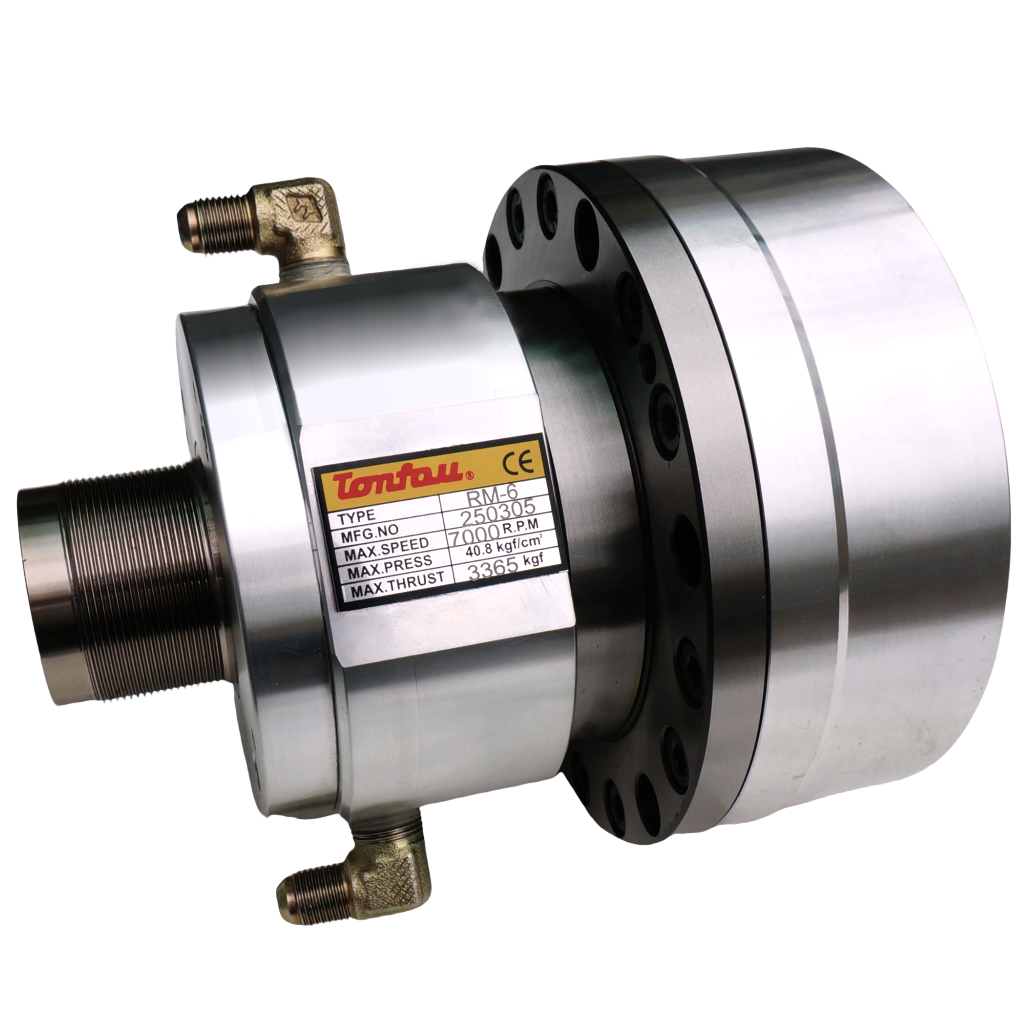
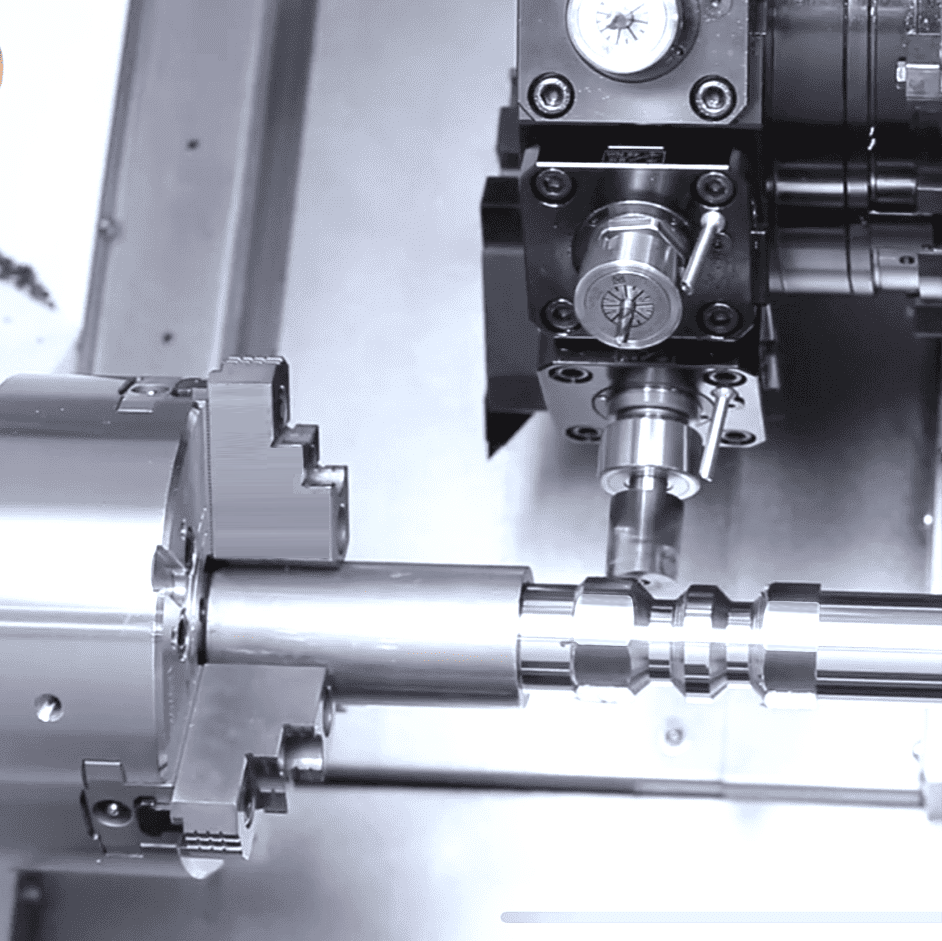
Multi-axis turning-milling machine is a CNC machining system that integrates turning and milling functions. Equipped with multiple spindles and live tool turrets, it enables simultaneous multi-process machining, significantly enhancing productivity and precision. Compared to traditional machines, this type of equipment can complete complex part machining in a single setup, reducing tool changes and re-clamping errors. It is especially well-suited for high-precision and high-volume production demands. This machine is capable of performing a wide range of operations, including inner and outer diameter turning, end-face machining, grooving, drilling, tapping, side milling, and curved surface processing. It is widely used in industries such as automotive components, aerospace parts, medical instruments, and electronic communication devices. Common configurations include dual spindles, multiple tool turrets, and various live tooling setups, allowing simultaneous machining on different sides of a workpiece—dramatically shortening overall cycle time.
専用機(せんようき)
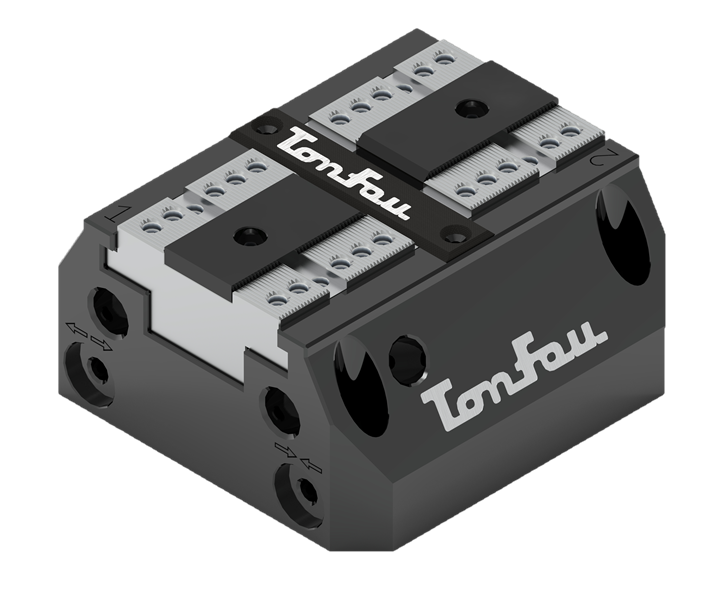
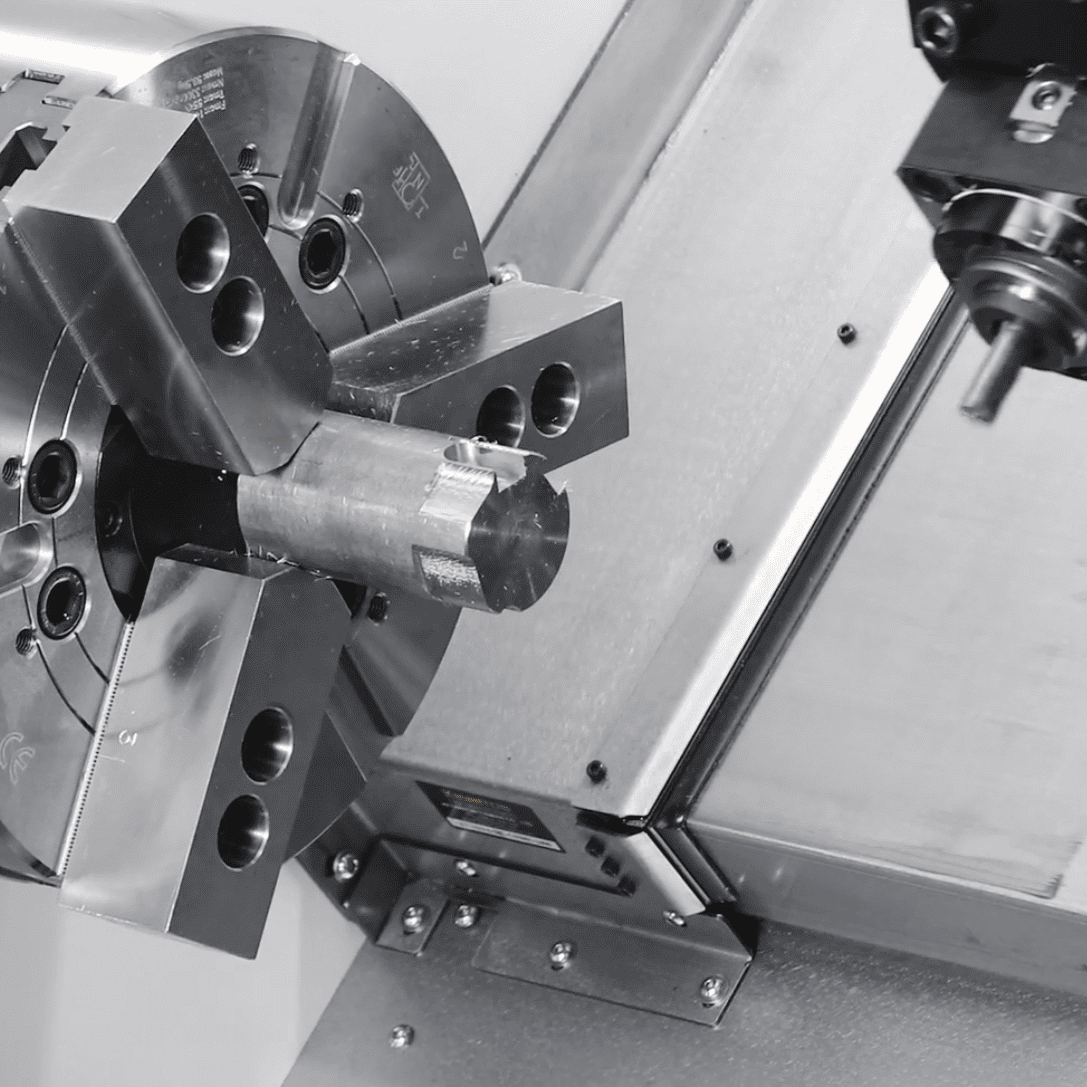
Compared to traditional general-purpose CNC lathes, Special Purpose machines are optimized for specific workpieces, sacrificing unnecessary flexibility to enhance machining efficiency and precision. These machines feature reinforced automation, structural rigidity, and processing performance. Through standardized workflows and optimized human-machine interfaces, manual intervention is significantly reduced, thereby improving production consistency and stability. This makes them particularly suitable for high-volume, high-repeatability, and high-precision manufacturing environments. As modern industry advances toward low-carbon and smart manufacturing technologies, dedicated CNC lathes have increasingly adopted IoT (Internet of Things) frameworks. These systems support remote monitoring, predictive maintenance alerts, big data analytics, and production traceability. Real-time data feedback and system self-adjustment mechanisms not only improve equipment operational efficiency and maintenance effectiveness but also enhance the overall digital management capabilities of the production line.